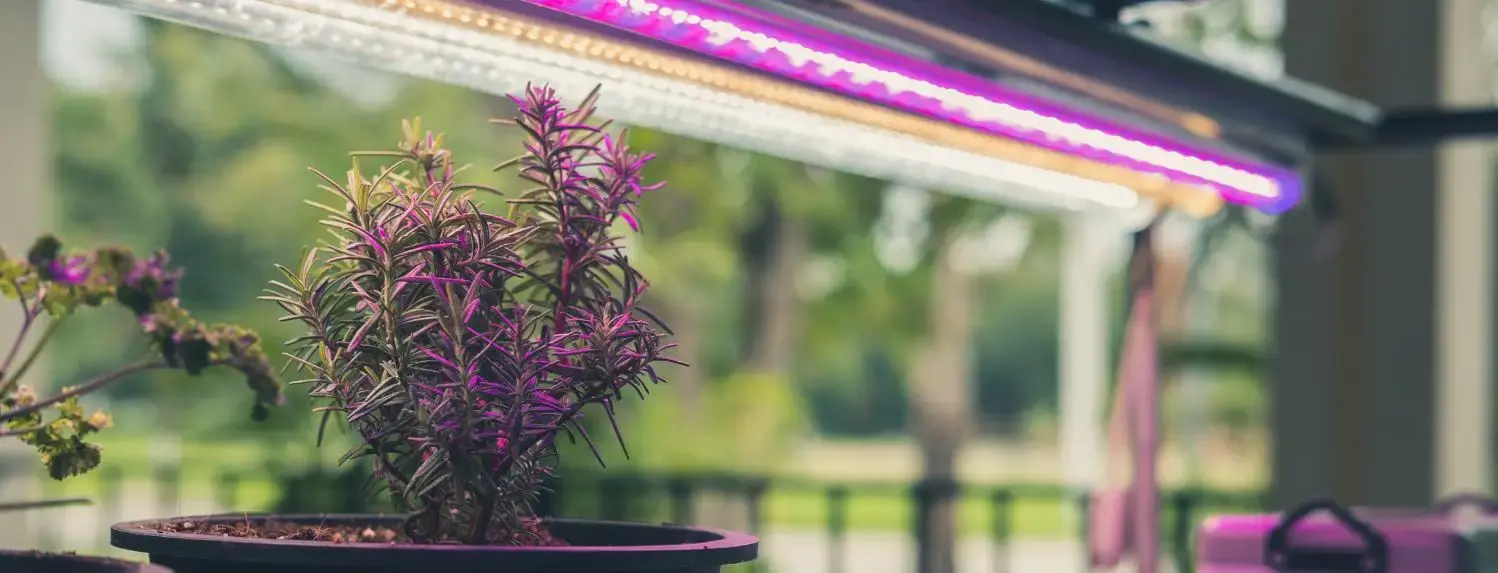


The right grow room humidity changes with each stage of your plant's life, from a humid 72–100% for germinating seeds down to 48–55% in flower. Getting relative humidity (RH) right helps young plants establish without drying out, and keeps mature plants clear of mould, bud rot and mildew.
This guide covers what relative humidity is, why it matters, the equipment you need to measure and control it, A-Grade's target humidity for each growth stage and how to fix common humidity problems.
What is relative humidity?
Relative humidity is the amount of water vapour in the air, shown as a percentage of the most the air could hold at that temperature. Warm air can hold more moisture than cool air, so RH is always linked to temperature.
That's why humidity can swing so much in a grow room. When the lights switch off and the room cools, RH climbs, even though no extra water has been added. When cool air is brought in and warms up, its RH drops.
Why does grow room humidity matter?
Plants constantly lose water vapour through their leaves, a process called transpiration. As your plants grow bigger and leafier, they release more moisture into the room, so humidity naturally rises as the grow goes on.
Keeping RH in the right range for each stage helps you:
- Stop unrooted cuttings drying out before they can take up water
- Reduce the risk of grey mould (botrytis), downy mildew and powdery mildew
- Avoid the hot, dry conditions that spider mites thrive in
- Dry and store your harvest without losing flavour or quality
What you need to measure and control humidity
You can't manage what you don't measure, so start with an accurate reading and add control equipment as your grow needs it:
- A digital hygrometer (shows RH and temperature at canopy height)
- A humidity dome or propagator for seeds and cuttings
- An exhaust fan to move humid air out of the room
- A humidifier or dehumidifier if your room sits outside the target range
- Two-way humidity packs for storing your harvest
Browse our temperature and humidity control range for hygrometers and controllers, or our propagators and humidity domes for seedlings and clones.
💡 A-Grade Tip: Mount your hygrometer at canopy height in the middle of the grow space, not near a fan or the door. Readings taken where the air is moving fastest won't reflect what your plants are actually sitting in.
💧 What should my humidity be at each growth stage?
These are the RH targets the A-Grade team recommend for each stage, from seed to storage.
| Growth stage | Target RH | Status | Notes |
|---|---|---|---|
| Seed germination | 72–100% | Highest | Keeps the seed and medium moist so the taproot can emerge |
| Clones or cuttings | 68–85% | High | Cuttings have no roots yet, so humidity limits water loss from the leaves |
| Vegetative growth | 58–65% | Moderate | Plants have roots and can handle drier air |
| Flowering | 48–55% | Low | Lower humidity reduces the risk of mould and bud rot |
| Drying | 47–55% | Low | A steady, slow dry helps preserve flavour |
| Curing and storage | 55–62% | Moderate | Stops the harvest drying out or turning mouldy in storage |
1. Seed germination: 72–100%
Seeds need moisture to germinate, so keep them in a very humid environment. A propagator or humidity dome holds moisture around the seed and growing medium so the taproot can break through.
2. Clones or cuttings: 68–85%
Cuttings can't take up water until they grow roots, but they keep losing moisture through their leaves. High humidity slows that water loss and stops cuttings wilting while they root. Cover them with a humidity dome and mist them regularly.
3. Vegetative growth: 58–65%
Once plants have a healthy root system, bring the humidity down. Watch your readings as the canopy fills out, because RH will rise as your plants transpire more.
4. Flowering: 48–55%
Dense flowers and a thick canopy trap moisture, so this is when high humidity does the most damage. Grey mould infects most readily at 85% RH and above, so keeping RH low in flower gives you a wide safety margin.
5. Drying: 47–55%
Dry your harvest slowly in a dark, well-ventilated space. Drying too fast can harm flavour, while humidity that's too high risks mould.
6. Curing and storage: 55–62%
Store your harvest in airtight containers and hold the humidity steady inside them. Integra two-way humidity packs release or absorb moisture as needed to keep the air in the container stable.
How do I lower humidity in a grow room?
High humidity is the more common problem in an indoor grow, especially in a full canopy during flowering. Try these fixes:
- Run your exhaust fan to replace humid air with drier air
- Add oscillating fans to keep air moving through the canopy
- Keep nutrient reservoirs covered to stop water evaporating into the room
- Space plants out so air can move between them
- Add a dehumidifier if ventilation alone can't bring RH down
Use hydroponic fans and controllers to improve air exchange in your grow room.
💡 A-Grade Tip: Check your RH just after lights off. As the room cools, humidity can jump quickly, and night-time spikes are when mould and mildew get their chance. If your readings climb, run your exhaust fan for longer after lights out.
⚠️ Common humidity problems and fixes
| Problem | Likely cause | Status | Fix |
|---|---|---|---|
| Cuttings wilting before they root | Humidity too low | Common | Cover with a humidity dome and mist regularly |
| Grey, fuzzy mould on flowers | High humidity and poor airflow | Serious | Remove affected material, lower RH and improve airflow |
| White powdery patches on leaves | Powdery mildew favoured by humid nights | Common | Reduce night-time humidity and space plants out |
| Stippled leaves and fine webbing | Spider mites in hot, dry air | Common | Raise RH to the target range and treat mites |
| RH spikes after lights off | Room cooling quickly | Common | Keep exhaust running after lights out |
Summary
Grow room humidity should start high for seeds and cuttings, then step down through veg and into flower to protect your plants from mould and mildew. Measure RH at canopy height with a hygrometer, watch for night-time spikes and use ventilation to keep levels on target.
Browse A-Grade Hydroponics' temperature and humidity control range to get set up, or get in touch with the team if you've got questions about your own grow room.
References
- UMass Extension, Greenhouse Disease Management: Powdery & Downy Mildews, Botrytis, and more. https://www.umass.edu/agriculture-food-environment/sites/ag.umass.edu/files/fact-sheets/pdf/nov10ghhandoutdiseasemgt.pdf
- University of Connecticut Integrated Pest Management Program, Powdery Mildews in the Greenhouse, 2023. https://ipm.cahnr.uconn.edu/wp-content/uploads/sites/3216/2023/12/2023powderymildewsinthegreenhousefinal.pdf
- NC State Extension, Plant Propagation by Stem Cuttings: Instructions for the Home Gardener, 1999. https://content.ces.ncsu.edu/plant-propagation-by-stem-cuttings-instructions-for-the-home-gardener
- Agriculture Victoria, Two-spotted mite, 2024. https://agriculture.vic.gov.au/biosecurity/pest-insects-and-mites/priority-pest-insects-and-mites/twospotted-mite