

Growing auto-flowering crops in coco coir is one of the most efficient hydroponic growing methods for both beginners and experienced growers. With fast growth cycles, compact plant size, and simplified lighting requirements, day-neutral plants are ideal for indoor grow setups and high-efficiency crop production.
Popular Auto-Flowering (Day-Neutral) Crops
The following crops are commonly grown using coco coir hydroponic systems:
- Corn
- Strawberries
- Chilli
- Tomato
- Cucumber
- Cannabis
Why Grow Auto-Flowering Crops in Coco Coir?
Auto-flowering varieties are popular due to:
- Fast turnaround (8–16 weeks) from seed to harvest
- Compact plant size for small grow spaces
- No reliance on light cycles (non-photoperiod dependent)
- Suitability for Sea of Green (SOG) growing methods
Understanding Day-Neutral vs Photoperiod Plants
- Auto-flowering (day-neutral): Flower regardless of light exposure
- Short-day plants: Require long dark periods to flower
- Long-night plants: Require extended darkness (obligate photoperiodism)
Grow Room Setup: How Many Plants in a 1.2m x 1.2m Space?
Your plant count will influence yield and canopy coverage:
- Recommended: 4–6 plants
- Lower plant counts may leave unused space
- Advanced growers may run up to 25 plants (SOG method)
👉 Optimising your plant count is key to maximising yield in coco coir systems.
How to Grow Auto-Flowering Plants in Coco Coir
1. Germination
- Use propagation cubes or grow plugs
- Avoid paper towel methods to protect the tap root
- Plant seed pointy end down
- Option: Start directly in coco coir with humidity cover
👉 Recommended: Propagation cubes and coco coir starter media for consistent germination.
2. Early Growth (Seedling Stage)
- Transplant into a 500ml pot
- Use coco coir + perlite mix
- Apply first nutrient feed
- Growth period: 7–21 days
👉 Recommended: Coco coir blends and perlite for improved aeration and drainage.
3. Final Transplant
- Move to final container once roots establish
- Pre-fill pot halfway for easier transplanting
- Keep medium moist, not saturated
- Encourage coco dry-back for root development
👉 Recommended: Fabric pots or final containers suited to hydroponic coco growing.
Lighting Requirements for Indoor Growing
For best results with auto-flowering plants:
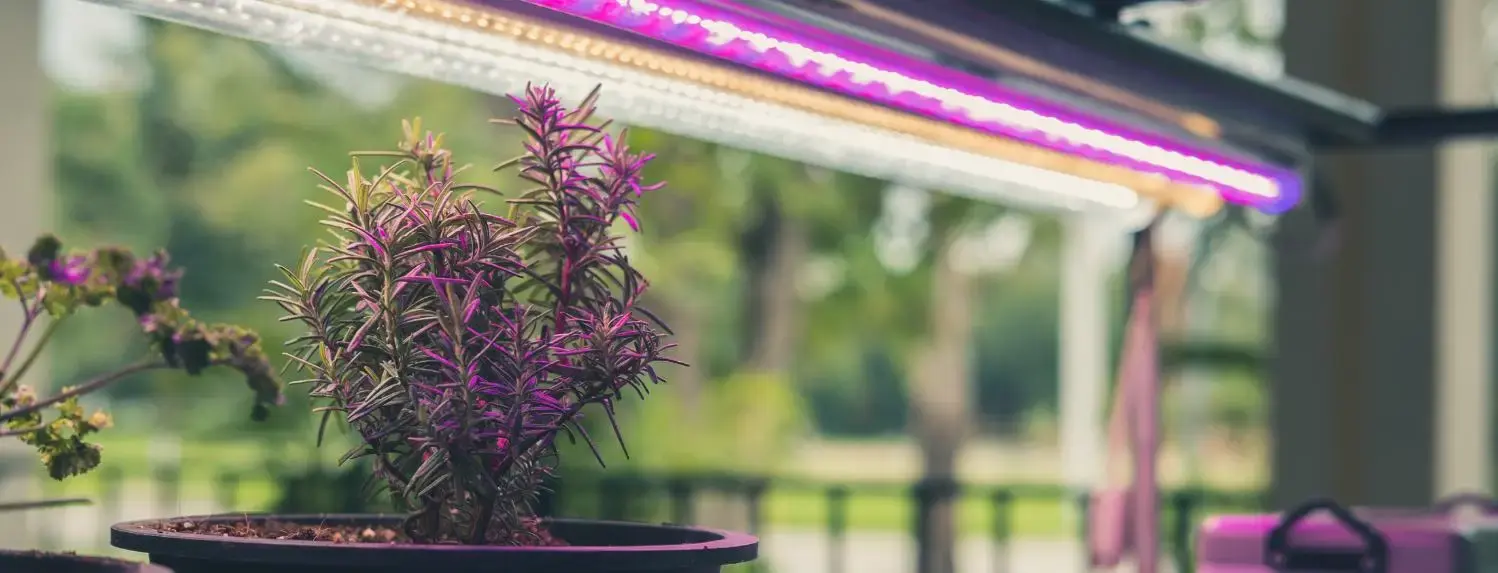
- Use full spectrum LED grow lights
- Maintain proper distance using:
- Quantum light meter
- Spectrometer
- Understanding PPFD is essential for plant performance
👉 Recommended: Full spectrum LED grow lights for hydroponic indoor systems.
Feeding Auto-Flowering Plants (pH & EC Guide)
- Follow nutrient schedules based on growth stage
- Start with lower nutrient doses in early weeks
- Maintain EC below 1.6–1.8
- Overfeeding reduces nutrient uptake and yield
👉 Recommended: Hydroponic nutrients, pH meters, and EC meters for precise control.
Coco Coir Feeding Schedule
Weeks 1–3
- EC: 0.6–0.8
- pH: 5.7–6.0
Weeks 4–6
- EC: 0.8–1.2
- pH: 5.8–6.0
Weeks 8–9
- EC: 1.2–1.5
- pH: 5.7–6.0
Weeks 9–11
- EC: 1.5–1.8
- pH: 5.7–6.2
Flushing Before Harvest
- Use flushing agents (citric acid & dextrose based)
- Apply for approximately 2 days
- Allow coco to dry back before harvest
Weeks 11–12 (Flush)
- EC: 0.0–0.3
- pH: 6.0
👉 Recommended: Flushing agents for hydroponic coco systems.
Recommended Hydroponic Equipment for Coco Coir Growing
To successfully grow auto-flowering crops in coco coir, consider the following essential equipment:
- Coco coir growing medium
- Perlite for aeration
- Propagation cubes / starter plugs
- Full spectrum LED grow lights
- Fabric pots or grow containers
- Hydroponic nutrients (A/B solutions)
- pH and EC meters
- Flushing agents
👉 Build a complete coco coir hydroponic setup for optimal plant growth and yield.
Final Tips for Success
- Maintain consistent moisture (avoid over-saturation)
- Follow feeding charts before adjusting nutrients
- Monitor EC and pH closely
- Optimise lighting using PPFD measurements
- Match plant count to your grow space