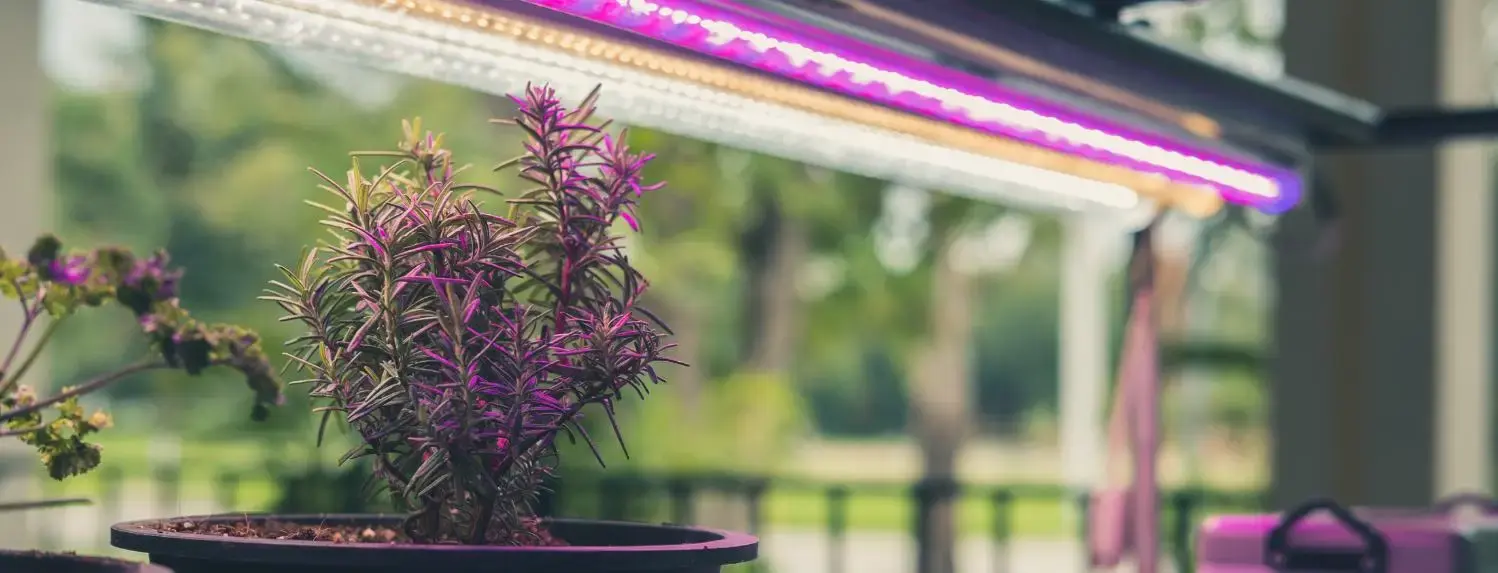


Growing chilli plants hydroponically rewards growers with faster growth, higher yields and more control over nutrient uptake than soil-based methods. Chilli are day-neutral plants, meaning they flower without regard to changes in photoperiod (light duration), so they suit both indoor and outdoor hydroponic setups equally well. This guide covers the first stage of the chilli lifecycle — germination through to the final pot transplant — with the humidity targets, feeding dosages and pH range used at A-Grade Hydroponics. Follow these steps to give chilli seedlings the strongest possible start before flowering begins.
🌱 Germination: Getting Chilli Seeds to Sprout
Germinate chilli seeds in a propagation dome fitted with a heat mat, aiming for a substrate temperature of 26–28°C. This temperature range supports faster cell division inside the seed, which shortens the time to emergence. If this is your first time germinating seeds, our germination tutorial covers the basics step by step.
Keep the propagation dome's vents fully closed until most seeds have emerged, so the chamber holds close to 100% relative humidity (RH). High humidity softens the chilli seed's tough outer shell, which is one of the main factors slowing germination in this species compared with softer-shelled seeds.
Once seeds have germinated, leave them in the dome for a further seven days. Water them every three to four days with a weak root tonic solution, top-feeding so the growing medium doesn't dry out, and take care not to saturate the propagation cubes. Open the dome's vents slightly once the majority of seeds have popped, to begin acclimatising seedlings to lower humidity.
💡 A-Grade Tip: Mix 0.5mL of CYCO Ryzofuel (a kelp-based root tonic) with 0.5mL of Flairform CMX (CalMag) in 1L of water for seedlings. This diluted solution can be stored and used for up to three days before mixing a fresh batch.
💧 First Transplant: Moving Seedlings into Coco
Fill a 500mL pot halfway with coco coir, place the seedling in, then top up carefully with more coco, leaving a 2cm gap below the rim. Thoroughly feed the newly potted seedling with a Grow A&B and CalMag solution, making sure the coco is evenly and fully saturated.
Leave the seedling in this pot for two to three weeks before moving it into its next-sized pot or fabric grow bag. Coco coir is a popular growing medium for hydroponic chilli because it retains moisture while still draining freely, which suits the shallow, fibrous root systems chilli plants develop early on.
📏 Feeding Schedule for Chilli Plants Grown Hydroponically
Use the dosages below as a starting point, adjusting slightly for plant size and environmental conditions. All amounts are per 1L of water.
| Growth Stage | Dosage (per 1L water) | Feeding Frequency |
|---|---|---|
| Seedling | 0.5mL Root Tonic + 0.5mL CalMag | Every 3–4 days |
| Week 1 | 1.5mL Grow A&B + 0.5mL CalMag | Every 3–4 days |
| Week 2 | 2.0mL Grow A&B + 0.5mL CalMag | Every 2–3 days |
| Week 3 | 2.5mL Grow A&B + 1.0mL CalMag (optional: 0.5mL CYCO XL) | Every 1–2 days |
| Week 4+ | 2.5mL Grow A&B + 1.0mL CalMag | Every 1–2 days |
Adjust the nutrient solution's pH to between 5.6 and 5.8 at every mix, since chilli plants take up nutrients most efficiently within this range. A reliable pH tester is essential here — even a well-balanced feed becomes less available to the roots once pH drifts outside this window.
🌿 Final Transplant: Moving to the Last Pot
Once your chilli plant has outgrown its intermediate pot, transplant it into its final container. A fabric pot is the preferred choice at this stage, since the breathable fabric air-prunes roots at the container wall and helps prevent the plant from becoming root-bound.
💡 A-Grade Tip: Handle the rootball gently during this final move. Established, actively growing chilli plants are generally more sensitive to transplant shock than they were at the seedling stage.
For a closer look at moving plants safely between pot sizes, read our seed-to-final-pot transitioning tutorial.
🤔 Common Questions About Growing Chilli Hydroponically
Can chilli be grown indoors and outdoors?
Yes. Because chilli are day-neutral plants, they flower without regard to changes in photoperiod, so the feeding and care approach above applies whether plants are grown under lights indoors or in natural sunlight outdoors.
What temperature does chilli need to germinate?
A substrate temperature of 26–28°C, maintained with a heat mat inside a propagation dome, supports reliable germination.
What pH should I run for hydroponic chilli?
Keep the nutrient solution between pH 5.6 and 5.8 from the seedling stage onward, checking and adjusting it each time a fresh batch is mixed.
🌶️ Growing Chilli Plants: Part One
Getting chilli plants through germination and into their final pot sets the foundation for a strong flowering and fruiting stage later on. Stick to the humidity targets, feeding dosages and pH range above, and seedlings will move through each transplant with minimal stress.
Next Read: Part Two: How To Grow And Feed Chilli Plants