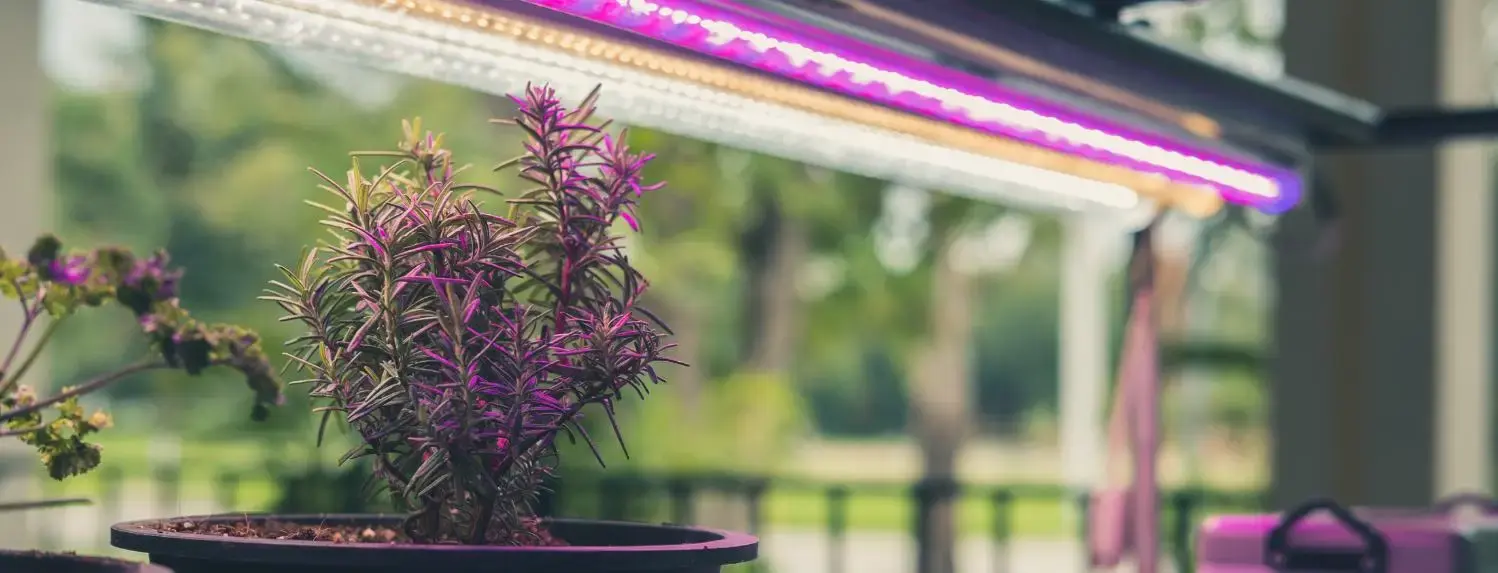


Reviving wilting plants in a hydroponic system starts with finding out why the roots stopped getting water, not just misting the leaves and hoping for the best. A dropped fitting, a failed pump or a blocked line can leave roots dry within hours, turning a healthy plant into a slumped, sorry-looking one by the time you notice. The good news is that most wilted hydroponic plants recover fully if you act within the first few hours of spotting the problem. This guide covers diagnosing the fault, protecting the plant from further stress, and rehydrating the root zone so growth resumes.
💧 What causes plants to wilt in a hydroponic system?
In a hydroponic system, wilting almost always traces back to the roots losing access to oxygenated, nutrient-rich water. Because there's no soil buffer to hold moisture, hydroponic plants dry out far faster than potted plants once something goes wrong.
Common triggers
- A dislodged or cracked fitting redirecting water back into the reservoir instead of over the roots
- A failed, jammed or undersized water pump
- A blocked NFT channel, dripper or feed line
- A power outage interrupting the pump cycle
- Excessive heat drying the root zone faster than the system can replenish it
⚙️ Step-by-step: how to revive wilting plants in a hydroponic system
Step 1: Turn off the grow lights
Switch off the grow lights for 6–8 hours. A wilted plant under full-spectrum LED or HPS lighting loses moisture faster than it can recover, so cutting light intensity reduces transpiration stress while you fix the underlying problem.
💡 A-Grade Tip: If you're growing an auto-flowering variety, a short lights-off period won't interrupt flowering. Photoperiod plants need extra care to protect their existing light schedule, so track the hours carefully before switching the lights back on.
Step 2: Fix the irrigation fault
Check the water pump is running, inspect fittings and tubing for cracks or dislodged joins, and clear any blockages in the feed line or NFT channel. If the system runs on a timer, confirm it's still cycling correctly. Don't move to the next step until you can see water flowing over the growing tray or through the drip line again.
Step 3: Revive the root zone
Once water flow is restored, mix 5ml of food-grade (3%) hydrogen peroxide into 5 litres of water and pour it gently over the exposed roots. This helps limit bacterial growth that can build up on roots left dry, and briefly boosts oxygen levels in the root zone. Cornell University research on hydrogen peroxide in hydroponic lettuce found the oxygen it releases can raise dissolved oxygen in the root zone, helping offset losses to biofilm and microbial activity. The same researchers noted there is no scientifically established standard concentration for hydroponic use, so it's worth staying conservative with your ratio and watching how your plants respond.
💡 A-Grade Tip: Always use food-grade (3%) hydrogen peroxide and measure it precisely. A mix that's too strong can damage the fine root hairs you're trying to save.
Step 4: Rehydrate and feed
Mist the foliage and drench the growing medium with a weak nutrient solution — around 0.5ml of a general-purpose nutrient concentrate per litre of water is usually enough to support recovery without overloading a stressed root system. Check EC and pH before applying, keeping both within the normal range for your crop.
🌱 What to expect during recovery
Most hydroponic plants show visible improvement within hours once water flow and root oxygen are restored, though recovery time varies with plant size, species and how long the roots were without water. A general pattern to expect:

| Time since treatment | Typical plant condition | Status | Notes |
|---|---|---|---|
| 0 hours | Leaves collapsed, stems drooping | Diagnosing | Confirm and fix the cause before treating roots |
| 2–4 hours | Leaves regaining some firmness | Recovering | Avoid disturbing the root zone further |
| 6–8 hours | Leaves mostly upright, colour returning | Recovering | Lights can go back on; resume normal feed schedule |
| 24–48 hours | Full recovery expected in most cases | Monitoring | If there's no improvement, check for root rot or nutrient burn |

Preventing the next wilt
A single dislodged fitting or failed pump is the most common cause of sudden wilting in NFT and other recirculating systems. Checking fittings, pump function and reservoir levels as part of a daily routine catches most faults before they stress the plant. Keeping a spare pump, fitting kit and timer on hand also means a repeat failure becomes a five-minute fix rather than a fresh crisis.
Frequently asked questions
Will a wilted hydroponic plant fully recover?
In most cases, yes — if the leaves are still soft and pliable rather than crisp and brittle, the plant has enough moisture reserves left to bounce back once water flow and root oxygen are restored. Crispy, dehydrated foliage indicates more severe damage and a longer, less certain recovery.
How long can hydroponic roots go without water?
This varies by species, root mass, temperature and humidity, so there's no single figure that applies to every setup. As a general rule, act as soon as you notice drooping rather than waiting — the sooner water flow and root oxygen are restored, the better the outcome.
Can I use hydrogen peroxide in every hydroponic system?
Food-grade hydrogen peroxide at low concentrations is commonly used across NFT, DWC and other recirculating systems to clear bacteria and add a short burst of oxygen. Because there's no universally agreed dosage, start conservative, avoid mixing it with beneficial microbial products, and watch for any sign of root stress after application.
Wilting in a hydroponic system is rarely fatal if you catch it early. The priority is always the same: find the fault, protect the plant from added light stress, and get oxygenated water back to the roots. Browse A-Grade Hydroponics' range of water pumps, fittings and EC/pH meters to build a backup kit for your grow room, and get in touch if you need help diagnosing a stubborn system fault.