
Hydroponics FAQ – 2026
Hydroponics FAQ – 2026 Hydroponic growing can seem complicated when you're first getting started, especially when it comes to managing nutrients, pH, lighting, humidity, and hydroponic equipment. To help simplify...
I want to share my thoughts on what I believe is actually week one and when you should start feeding your plants hydroponic plant food. A lot of feeding charts don’t actually indicate...
Why Haven’t My Seeds Germinated? Common Problems & Solutions Few things are more frustrating than carefully planting seeds, setting up your propagation system, and then... nothing. No sprouts. No movement....
Germinate seeds faster by using the Flexigerm Propagator. If you're local to our hydroponics shop in Melbourne cruise and and see some of the plant systems that are growing in...
Why buy seedlings or plants from a shop when you can germinate them yourself! By germinating seeds yourself you will save lots of money! When germinating seeds there are a...
What is cloning? Cloning within horticulture is the practice of taking a cut (cutting) from a desirable plant, propagating new root growth from the cutting which will be genetically identical to the original (mother)...
In a previous tutorial we discussed A-Grade Super-Cropping techniques, the many benefits to cropping, and how your plants can benefit from doing it. Following on from that, I want to talk...
Impatiens come in all shapes and sizes, they are a vigorous growing flowering plant. Flowers that form on impatiens plants are truly stunning, and come in a multitude of colours...
Cloning Plants in an Aeroponic System Plant cloning, as the name suggests, is the process of copying a plant. In hydroponic growing, this involves taking cuttings from a selected mother...
How to Propagate Jasmine From Cuttings (Hydroponic Method) Botanical Name: Jasminum officinale L.Common Name: White JasmineFamily: Oleaceae Aromatic Compounds: Eugenol, eugenyl acetateKetones: Jasmonic acid, jasmolactone, methyl-di-hydro jasmonate, cis- and trans-ethyl...
Germination Tips: Seed Modification for Faster Seed Germination Successful seed germination is always on the mind of every gardener, especially when planning the next grow. However, some plant varieties can...
How Long Until My Cuttings Form Roots? | Hydroponic Cloning Guide Melbourne If you're cloning plants in a hydroponic grow setup, one of the most common questions is: how long...
The difference between regular lamps and proper grow lights can make or break your indoor garden. Learn more about more about what your indoor plants need.
Getting into and started with hydroponics can feel a bit like learning a new language. And the younger you are, the easier it is. Even then, between the different systems,...
The best way to get started with hydroponics is by having the right equipment from the beginning. Selecting a comprehensive hydroponic kit simplifies the process, ensuring you have all the...
Indoor growers are constantly trying to improve upon their previous results. As they become more experienced and confident, they might consider ways to optimise their indoor gardens for greater returns. The...
In the ever-evolving world of agriculture, hydroponic grow rooms have emerged as an integral tool for cultivating plants indoors. These indoor grow rooms effortlessly suit any growing styles; hand-feeding fabric...
For the last few decades the indoor horticulture and hydroponic industries have been reliant on using High Intensity Discharge (HID) and Fluorescent lighting technologies to illuminate their crops. These lighting...
Here is a neat guide from our friends at Apogee Instruments on the optimal light values for various crops. Many of our customers using full spectrum LED grow lights like...
Learn how to grow with LED full spectrum grow lights -A-Grade Hydroponics
What do all the Lighting Terminologies mean? Below is a glossary of terms commonly used to describe the way LED lighting is measured as well as some botanical stuff thats kind of...
Are you looking for the best hydroponic grow lights to help your plants thrive? In this blog post, we will discuss the different types of grow lights available and how...
This is a short tutorial on recommended hanging distances for the GRT Horticulture MLED-150 LED lighting bars. Introducing the GRT Horticulture MLED-150 The MLED-150 is an LED lighting bar...
Growing indoors is great fun but before you jump in and just buy any old light on eBay, read this informative post as it could save you a lot of...
Hydroponic growing is lots of fun and very satisfying when things go well. With that in mind a lot of new and experienced gardeners have started to ask the question,...
When it comes to feeding your plants, there are many methods in which to do this. The most common systems for indoor growers rely on recirculation or wicking. These are...
Microbial inoculants are becoming an essential tool for growers who want healthier roots, stronger growth, and better results in hydroponic gardens. In hydroponic systems, beneficial microbes such as Bacillus, Pseudomonas, and...
One of the most important parts of running a healthy hydroponic system is getting your nutrient schedule right. In soil-based gardening, nutrients are slowly released over time. But hydroponics relies...
5 Best Hydroponic Nutrients for Premium Yields & Growth - 2026 Edition Choosing the best hydroponic nutrients depends on your plants, your hydroponic growing system, and the stage of plant...
In the world of gardening and horticulture, the health and vitality of plant roots are fundamental to overall plant growth. In most indoor grow room setups traditional containers, such as...
Have you ever wondered about Boron deficiency? It is actually more common than you think especially for those growing their favourite 'sacred' herbs and it's actually quite easy to avoid once...
How to feed plants indoors? Like anything living, energy is needed to fuel growth. Without food, organisms start to consume themselves, sacrificing health and food to sustain new growth which creates a host of...
A-Grade Hydroponics presents a handy Conversion Chart for those growers still using the truncheon ppm Meters. What is EC? Electrical conductivity or EC as it relates to hydroponics is a...
Copper deficiencies rarely occur in hydroponically-grown plants, especially when using a reputable hydroponic nutrient range. When a copper deficiency does occur it is usually mistaken for- and then treated- as...
Zinc is one of the eight essential micronutrients needed for healthy and productive plant life. Zinc plays multiple roles within plant cells and tissues, and even a minor zinc deficiency can...
Magnesium is the element responsible for a plant’s production of chlorophyll. A magnesium deficiency will impact a plant’s ability to photosynthesise, which in turn directly impacts the lush green colour...
Iron deficiency is quite a common problem in gardening, and we’re all bound to experience it sooner or later. Correctly identifying a plant deficiency can be difficult, as deficiencies sometimes...
See how Jase from A-Grade Hydro uses this bottle of liquid gold.
My latest obsession is the Monstera deliciosa. I love the almost prehistoric-sized leaves they produce; and the calm, almost hypnotising atmosphere created when grown and grouped indoors. Monstera deliciosa has...
Mycorrhiza is a mutual symbiotic association between a fungus and a plant. The term mycorrhiza refers to the symbiotic role of the fungus in the plant's root system. Endomycorrhizae is a...
“Get your plants off to a healthy start – a plant tonic like no other” Optimizing the growth of your plants, and finding the correct nutrient balance is essential. HY-GEN...
Feeding Hydroponic Plants: Volumes, Pot Sizes & Nutrient Schedules (Australia) A-Grade Hydroponics Feeding Chart for Coco Coir, LED Grow Lights & Indoor Plants One of the most common questions in...
With winter in full swing, our phone has been going crazy with gardeners experiencing gardening issues. In short, the most common problem this time of year is the temperature once...
Potassium (K) is an essential nutrient for plant growth. It's classified as a macronutrient because plants take up large quantities of K during their life cycle. Potassium (K) is used in all fertilisers, potassium helps move water, nutrients and...
Over the 7 years of trading at A-Grade Hydroponics, we've always loved and recommended HY-GEN's Humiboosta, making it our favourite product that works in almost all applications in conjunction with both...
Calcium (Cal) - Symbol: Ca Calcium is responsible for maintaining strong cell structure and vigour. High calcium levels are vital during the late growth stage, as additional calcium...
A great question, the amount we water/feed our plants is different for each growing medium used. The amount of water/food we use is subjective to the size of the pot...
How Much Do I Need To Feed My Plants? One of the most common questions in hydroponic growing is: how much should I feed my plants? The key is simple—feed...
This tutorial is provided by Hy-Gen's Founder and Chemist, Sandro. Optimising the growth of your plants, and finding the correct nutrient level is essential. HY-GEN Australia, have developed a...
Nutrient Antagonism — Which Nutrients Affect Others? Plant nutrition is a broad and often challenging topic in hydroponic growing. For new hydroponic gardeners, understanding nutrient elements and how plants absorb...
Nickel and Chlorine in Hydroponic Plant Nutrition In hydroponic growing, micronutrients like Nickel (Ni) and Chlorine (Cl) are required in extremely small amounts but still play important roles in plant...
Manganese (Mn) in Hydroponic Plant Nutrition Manganese (Mn) is an essential micronutrient in hydroponic nutrient solutions, required in trace amounts for healthy plant growth and development. It plays an important...
Zinc in Hydroponic Plant Growth Zinc (Zn) is an essential hydroponic micronutrient required in small amounts but critical for plant metabolism, enzyme activity, and growth regulation. Despite its low required...
Copper in Hydroponic Plant Growth Copper (Cu) is an essential hydroponic micronutrient required in small amounts but critical for plant development. While often overlooked, copper plays a key role in...
Sulfur in Hydroponic Plant Growth Sulfur (S) is one of the essential hydroponic nutrients required for plant growth and development. Although sulfur deficiencies are less common than other macronutrient issues...
Potassium in Hydroponic Plant Growth Potassium (K) is an essential hydroponic nutrient responsible for regulating plant growth, metabolism, and water movement. It is one of the primary macronutrients in hydroponic...
Nitrogen in Hydroponic Plant Growth Nitrogen is a primary hydroponic nutrient essential for plant growth and development. It plays a major role in chlorophyll production, which gives plants their green...
Magnesium in Hydroponic Plant Growth Magnesium is a key hydroponic nutrient and the core atom in chlorophyll, making it essential for green pigment formation in plant leaves. Without magnesium in...
Phosphorus in Hydroponic Plant Growth Phosphorus is an essential hydroponic nutrient required for plant growth. Without phosphorus in a hydroponic nutrient solution, plants cannot effectively photosynthesise or sustain energy transfer...
Hydroponic Plant Nutrition & Energy for Growth Like anything living, hydroponic plants require energy to fuel growth. In a hydroponic system, this energy comes from a combination of light energy...
Microbes: The Key to Stronger, Healthier Hydroponic Plants Introducing beneficial microbes into your hydroponic system is one of the most effective ways to improve plant health, accelerate growth, and maximise...
What Is a Molybdenum Deficiency? How Do You Fix It? Molybdenum (Mo) may be tricky to pronounce, but it’s an essential micronutrient in hydroponics and soil growing. Molybdenum plays a...
Calcium and Plant Growth | Hydroponic Calcium Nutrients Guide Optimising plant growth in a hydroponic system requires precise control over your nutrient solution, and ensuring the correct calcium levels in...
Maintaining a clean hydroponic grow room floor by removing any leaves and stems can reduce the likelihood of thrip infestations. Thrips thrive in these warm untidy areas especially amongst dying...
For some cannabis breeding has become a intricate combination of art and science; an unending quest to breed cannabis with superior genetics for potency, yield, resilience and stability. However, an invisible threat...
Fungus gnats are small flies very similar to fruit flies that belong to part of the Mycetophilidae and Sciaridae families. They feed on decaying organic matter, fungi and plant roots...
Fungus gnats are those small black annoying flies that seem to fly near your face at the most inconvenient times. They can very quickly infest your favourite plant pots if they...
Repeat after me: Prevention. Prevention. Prevention.
PRODUCT NAME: PURECROP1 PURPOSE: Insecticide, Fungicide & Biostimulant ORIGIN OF MANUFACTURE: USA CERTIFICATES: OMRI MAIN INGREDIENTS: Corn Oil, Soybean Oil PRODUCT CONFLICTS: None WHAT CAN I GROW? HERBS VEGETABLES FRUIT FLOWERS ORNAMENTALS...
Natural Pest Solutions For Your Crops Happy New Year A-Graders! We hope you all had the chance to catch up with family and friends over the break and enjoy some...
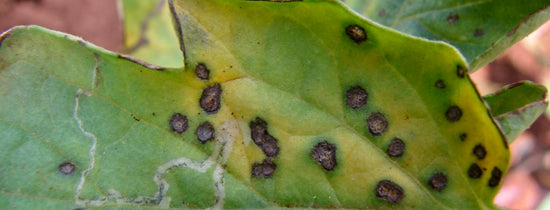
An omnipresent disease. It is most commonly found on fiber crops but can also occur on plants forming natural medicines, notably Cannabis ruderalis. How Septoria affects crops Septoria leaf...
What is Neem Oil? Neem oil is a very popular pest preventative and direct treatment for most pest or mite infestations on plants. Neem oil is a vegetable oil extracted...
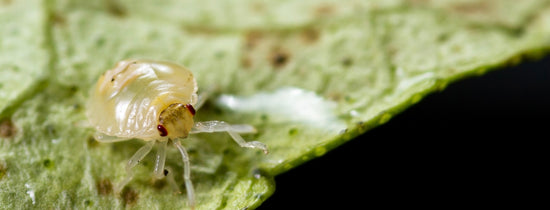
Spider mites are little mites that are smaller than one mm in size and vary in a range of colours. Spider mites are a part of the Acari family Tetranychidae,...
Fungus Gnats. They are a part of the Mycetophilidae and Sciaridae super families. They feed on decaying organic matter, fungi and plant roots (which contain the nutrients you feed the plants)...
Scale Bugs on Hydroponic Plants Scale bugs from the Coccoidea family are one of the more stubborn pests found in indoor gardens and hydroponic grow rooms. These small sap-sucking insects...
Tobacco Mosaic Virus (TMV) in Hydroponic Growing Tobacco Mosaic Virus (TMV) is a highly infectious plant virus that affects hydroponic crops, particularly those in the Solanaceae family. It is known...
This is a short article for those wondering the relative humidity (RH) requirements for each stage of a plants life cycle. Let’s start from the beginning of the plant cycle:...
Growing indoors in the hotter months can be quite tricky for growers not reliant on climate control systems to control this aspect of the grow themselves, have a read of this...
One crucial aspect that can significantly impact your plants health and yield is Vapour Pressure Deficit. In this blog, we'll explore what VPD is, why it matters, and how you...
This tutorial is designed for indoor gardeners growing plants in grow rooms and grow tents using hydroponic nutrients How does humidity affect my plants? The humidity in your grow room or grow tent...
Grow Room Tip – Night-Time Temperatures in Hydroponic Growing Maintaining correct night-time temperatures in your hydroponic grow room is critical for healthy plant growth, nutrient uptake, and overall crop performance....
How does humidity effect my plants? Note: this tutorial is designed for growers using hydroponic nutrients. The humidity in the grow room will determine how your plants transpire. This directly...
It is quite cold outside at the moment, so in this article, we explain how important temperatures are for each stage of growing. Please note: The temperatures listed in this...
Humidity is an important environmental factor, so, too much or too little can make or break your grow, everyone has an opinion on the subject, and that’s all this is,...
What Should My Hydroponic Growing Temperatures Be? When growing hydroponic plants, temperature control is important at every stage of the plant life cycle. Stable grow room temperatures help support healthy...
What is Vapour Pressure Deficit (VPD)? Vapour Pressure Deficit, commonly known as VPD, is one of the most important environmental factors in hydroponic growing and indoor plant cultivation. Simply put,...
Carbon Dioxide (CO₂) in Hydroponic Growing Carbon Dioxide (CO₂) is an odourless gas and a critical macro-element in hydroponic systems, essential for photosynthesis and plant growth. CO₂ is approximately twice...
Thermodynamics in Hydroponics: The First Law Energy transformations are governed by the laws of thermodynamics, which apply to all living systems—including hydroponic plant growth. Every organism depends on energy conversion....
What Should My Grow Room Temperature Be? (Complete Hydroponic Temperature Guide) In any hydroponic grow room setup, maintaining the correct grow room temperature is critical for maximising plant health, growth...
Odour Control Management in Hydroponics Systems When growing plants indoors using hydroponics systems, maintaining optimal environmental conditions is essential for plant health and growth. However, one common challenge indoor growers...
Growing auto flowering varieties has become quite popular amongst the new generation of hobby growers due to their fast turnaround and compact size, making them ideal for many new and...
Winter is in full swing and, that time where gardeners of all skill levels are preparing their indoor and outdoor gardens to grow food in for another bountiful season is...
Strawberries are one of the most popular fruits on Earth. They're also delicious and nutritious. But did you know they can be grown indoors using hydroponics? Read on to discover...
Hydroponics how to get started? Growing plants indoors is generally quite easy once the hydroponic growing equipment is in place and the environment is under control, for someone venturing into...
Growing auto-flowering crops in coco coir is one of the most efficient hydroponic growing methods for both beginners and experienced growers. With fast growth cycles, compact plant size, and simplified...
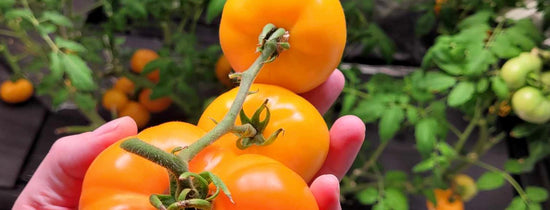
Tomato season has started again, this time I’ll be writing down a few revised tips from last year to help you get that heavy harvest, I found looking at the...
See Part One: How to grow and feed Chilli plants here If you’re reading this part of the Chilli blog then you have probably been growing your chilli seedlings for...
Chilli are beautiful day-neutral plants; meaning they flower without regard to changes in light (photoperiod). As such, most chilli varieties can be grown both indoors and outdoors. The information below...
This is an updated and revised article as of 22/07/20 Recently at A-Grade Hydroponics we have observed a massive number of new growers and customers wanting to switch from their current...
This is a tutorial for growing in coco coir using hydroponic nutrients. Many growers often have trouble in the transition phases from seedling to their final pot. Many novice growers will...
Note: To be able to read PPFD or instantaneous PPFD you will require an accurate quantum meter to take the readings, such as the Apogee MQ-500. Most light meters measure...
To correctly calculate the VPD of your growing space you will need the following information: Ambient environmental temperature Relative humidity Leaf surface temperature Canopy level temperature First, find your saturated...
How to Grow Nasturtiums from Seed (Hydroponic Growing) Nasturtiums are extremely easy to grow and perform well in hydroponic growing systems, producing lush green coverage and vibrant edible flowers. They...
Grow Lush And Tasty Hydroponic Basil At Home Growing hydroponic basil indoors is simple, fast and highly rewarding. Whether you're producing fresh herbs for cooking or improving your hydroponic skills,...
Growing Kale Hydroponically We’ve grown many crops in hydroponic systems, but kale remains one of the most enjoyable and reliable plants to grow. From seed, hydroponic kale germinates quickly under...
How to Clone Tomato Plants for Hydroponic Growing Success Growing tomatoes is one of the most rewarding experiences for any gardener, especially in a hydroponic system. Whether you're a beginner...
Growing herbs from seed is one of the most rewarding parts of indoor gardening and hydroponic growing, but many people struggle to keep their home-grown herbs alive. So why do...
Drying-back is a deliberate, calculated and controlled method, with the objective of drying-back the coco coir just enough to stimulate vigorous root growth, but not leave the plant in a perished...
Gregor Mendel, is known in botany as the "father of modern genetics". Gregor chose to study variation in plants in his monastery's experimental garden (2ha > 4.9 acres). Terms like recessive...
The importance of quality botany or horticultural books in an industry shrouded in ‘Bro-science’ will hopefully provide you some relief. Books that help you with plant care and books written...
When growing plants, light provides the initial energy source for growth. The quantity and spectrum of the light is important for development of the plant, just as we measure the quantity...
The Cation Exchange Capacity (CEC) is a measure of a medium's ability to hold positively charged ions. This is an important property to manage in your coco/medium as it directly...
Breeding is lots of fun and if you’ve been growing for a while you would have encountered some amazing genetics and some, well, not so good ones. The name of...
Terpenes are a large and diverse class of organic compounds, produced by a variety of plants, particularly conifers, and by some insects. They often have a strong odour and may protect the plants that produce them by deterring...
In the last article I talked about general plant traits, in this I will explain why each of these is important and what to actually look for. Typically Sought After...
When breeding any plant species there are certain outcomes that are considered desirable, these desirable outcomes are visibly shown in the form of traits and through successive breeding programs the...
Gregor Mendel is well known for being the first to observe multiple patterns of gene segregation for selected traits in peas and through some theoretical mapping, determine ratio outcomes for...
A pedigree looks like a family tree, it shows information about inherited traits throughout successive generations. A basic pedigree chart for a simple cross is quite easy to do: Circles...
Allele: The gene itself or allele, trait/s. Chemotype: Chemotypes are chemically distinct entities, with major differences occurring in secondary metabolites. Minimal genetic variance and little to no epigamic behaviour having...
Lots of you emailed in asking for us to start the discussion around breeding. So, let’s start with something basic that we can all wrap our heads around, Punnett squares!...
Triacontanol is an ultra-long-chain primary fatty alcohol (30:0) that is Triacontane in which one of the terminal methyl hydrogens is replaced by a hydroxy group. Common name: Triacontanol Chemical formula: C30H62O Chemical...
Transportation in Plants: Translocation and Transpiration Have you ever wondered how hydroponic plants drink, feed and move nutrients internally? This guide explains the basic process of plant transportation, including translocation,...
Carbon, Oxygen & Hydrogen in Hydroponic Plant Growth Carbon (C), oxygen (O) and hydrogen (H) are non-mineral elements and form the foundation of all hydroponic plant life. These three elements...
Basic Botany: What Is a Nucleus? Note: This topic explores foundational plant cell biology relevant to hydroponic growing systems. Content may be updated as understanding evolves. Nucleus in Plant Cells...
With traditional horticulture, the quality of the soil is an important factor. With hydroponics, it is the quality of the water. Sure, you'll likely be adding water to your hydroponics...
If you have been growing indoors under full spectrum led grow lights using a hydroponic system or in coco coir fabric grow pots, you should have a basic understanding of mixing hydroponic nutrients...
Growing hydroponically is a great way to grow crops, and offers a much greater return compared to conventional farming. However, just like conventional farming there are many variables to take...
Hydroponics is a form of agriculture that has gained immense popularity in recent years, especially for growing plants like herbs, vegetables and even weed. This method of growing allows plants...
Are you looking for a solution to improve plant growth and control bacteria and fungus in your hydroponics setup? Look no further than hydrogen peroxide! When used correctly, hydrogen peroxide...
Flushing for Plant Health (Hydroponics & Coco Systems) Flushing is a key technique used between feeding cycles and during the harvest stage to maintain plant health, nutrient balance, and optimal growth...
Hydroponics FAQ – Water Control, pH & EC Understanding hydroponic nutrients, pH, EC, and water temperature is one of the most important parts of successful hydroponic growing. Without quality digital...
Note: This tutorial is a revision and update of a previous version from 2018. Algae are the oldest and most widely distributed form of plant life. They range in size...
Hydroponic Nutrient Solution Control Tips Maintaining proper nutrient solution control is one of the most important parts of successful hydroponic growing. Developing good feeding habits early will help produce strong,...
All About Algae in Hydroponic Systems What Is Algae? Algae are one of the oldest and most widely distributed forms of plant life. In hydroponic growing environments, algae can appear...
Hydroponic Reservoir Temperatures As summer approaches, hydroponic reservoir temperature control becomes critical for maintaining healthy plants and stable nutrient solutions. For growers using Deep Water Culture (DWC) or any system...
Changing & Testing Your Hydroponic Nutrient Solution Managing your hydroponic nutrient solution correctly is essential for strong plant growth, healthy roots and consistent yields in any hydroponic system or indoor...
Crop steering in coco coir is not very difficult to implement. If you understand the term relative to growth this tutorial will be much easier for you to understand, if not...
Maximising Plant Yields and Quality with the SCROG Method in Hydroponics Hydroponics is a highly efficient method of growing plants without soil, using nutrient-rich solutions to deliver essential elements directly...
Pruning vs Defoliation in Hydroponic Growing Understanding the difference between pruning and defoliation is essential for managing healthy plant growth in hydroponic systems. While the two techniques are often confused,...
To reduce unwanted energy flowing through to unwanted branches and stems which in turn redistributes to the remaining flowering sites. Don’t be fooled into thinking the four main branches technique...
Low Stress Training (LST) is a great technique used to increase overall yield, primarily used earlier on when plant stems and branches are flexible. Traditional grow vs LST grow If a plant is...
Last week we looked at some time saving perpetual gardening methods, this week we are going to show you how to perform a mainline on your plants. The process takes some...
It is no secret that training plants is the best way to stimulate growth and increase yield. BENEFITS OF SUPER CROPPING Yield & bud density Huge increases in flowering sites...
There are many techniques when it comes to plant training, let’s explore a few. When your plants are in a vegetive state they can become very large in a little...
Topping Your Plants – Hydroponic Growing Guide Creating highly productive hydroponic plants requires plant training, nutrient management and environmental control. One of the most effective techniques for shaping plant structure...
Plant Training Techniques – Hydroponic Growing Basics There are many plant training techniques in hydroponic growing, all designed with the same goal: increasing yield, canopy efficiency and flower quality. These...
Coco coir has quickly become a popular choice among hydroponic growers due to its high cation exchange capacity (CEC) and favorable properties. This versatile growing medium is made from coconut...
Indoor plants are super addictive to collect and heaps of fun to grow and propagate. Imagine if there was a way we could maintain their environment all year round and...
When plants perish or wilt, its not the end. Follow this guide by A-Grade Hydroponics to rescue your plants. With the right hydroponic equipment and know-how any wilting plant can...
A question I’ve been asked countless times. Tutorial time. So, why are your plants stretching? Well, when your plants stretch for light, this is called phototropism. This can be seen...
Lots of things can go wrong in any gardening space. Plants are living organisms, they breathe, eat, move and reproduce. Plants have special needs dictated by where they have originated...
What EC should I maintain in hydroponics? EC (Electrical conductivity) requirements change as the plant grows from seedling into a mature plant. When your plants are young they require less...
My Stems Are Purple! This is a quick tutorial on what to do — or not do — if you experience purple stems when transitioning from vegetative growth to flowering...
Why Are My Hydroponic Plant Leaves Curling Upwards? When starting a new hydroponic growing project, it can take a few weeks to dial in the perfect grow room conditions. Some...
Why Are My Leaf Tips Curling? | Hydroponic Nutrient Imbalance Guide When growing in a hydroponic system, our goal is always maximum plant health, faster growth, and higher yields. However,...
Hydroponics is mostly about keeping a few essentials in check. Here are the four essential hydroponic system elements that matter most.
Beginner-Friendly Plants for an Indoor Hydroponic Garden: Top Choices Your first decision when starting in hydroponics isn’t about nutrients or lighting. It’s about what you grow. Choose wisely and your...
What is the best LED light to grow with? Technology has come a long way and it is now far easier – and cheaper – to grow plants using artificial...
Should You Turn Your Grow Lights Off at Night? You might be wondering if you can “hack” the system with LED grow lights. Theoretically, leaving indoor grow lights on 24/7...
How do hydroponic grow kits work? You don’t need a large outdoor area to grow plants anymore. Hydroponic growing is becoming increasingly popular and allows for the cultivating of plants...
Can plants get too much LED light? The old saying goes, ‘Everything in moderation’ – and that rings true when it comes to growing plants under LED lights. Like humans,...
Why You Should Use Horticultural LED Grow Lights Can any LED light be used as a grow light? We all learn about photosynthesis in school. Plants convert light energy into...
How far should LED grow lights be from plants? When it comes to growing plants indoors, the correct placement of LED grow lights is critical. If your lights are too...
Why Not Grow Hydroponic Fruit & Veg at Home? Why rely on expensive, store-bought produce when you can grow your own fresh food at home? Today, a significant portion of...
Hydroponics is a method of growing plants without soil. It is a more efficient way to provide water and nutrients to your plants. Soil provides nutrients, that must be broken...
An indoor hydroponic grow room can be set up just about anywhere, from a spare room to a garage or shed. There are just a few things that you need...
Good habits in hydroponics are as easy to form as bad ones; and one of the most annoying tasks is general maintenance of nutrient tanks and hydroponic systems. Most of these tasks are relatively...
At A-Grade Hydroponics we love meeting new growers; excited to start their passion for indoor gardening. For those used to traditional gardening methods, the change to liquid nutrients may be a wee...
WHAT IS DEEP WATER CULTURE? Deep Water Culture - or ‘DWC’ - is a unique growing method involving the majority of the plant's root mass being permanently submerged in a nutrient solution. No...
Maintenance of reservoirs is relatively easy, by working smarter from the start you will find you have more time for the plants, and less time spent cleaning and fixing problems....
The Do’s and Dont's of Using Hydroponic Tools This guide is designed to help indoor growers avoid some of the most common and costly mistakes made when using hydroponic equipment,...
The Importance of Nutrient Solutions in Hydroponics This week we’re focusing on the importance of the hydroponic nutrient solution—the primary source of food for plant growth in any hydroponic system....
The Benefit Of Growing Hydroponically Hydroponics is rapidly becoming the future of food production—and for good reason. A large percentage of fresh produce found in supermarkets today is already grown...
Now that you understand the basics of mixing hydroponic nutrients, the next step in successful hydroponic growing is measuring and adjusting your nutrient solution using pH and EC meters. In...
Mixing hydroponic nutrients correctly is one of the most important skills in hydroponic gardening and indoor plant growing. While nutrient bottles include instructions, many growers still struggle to achieve a consistent...