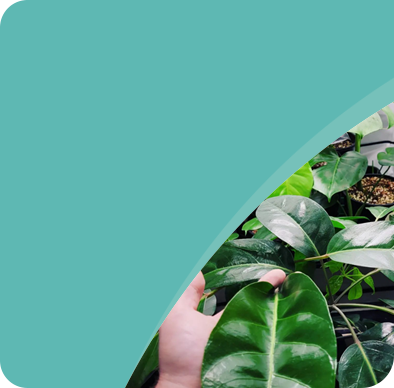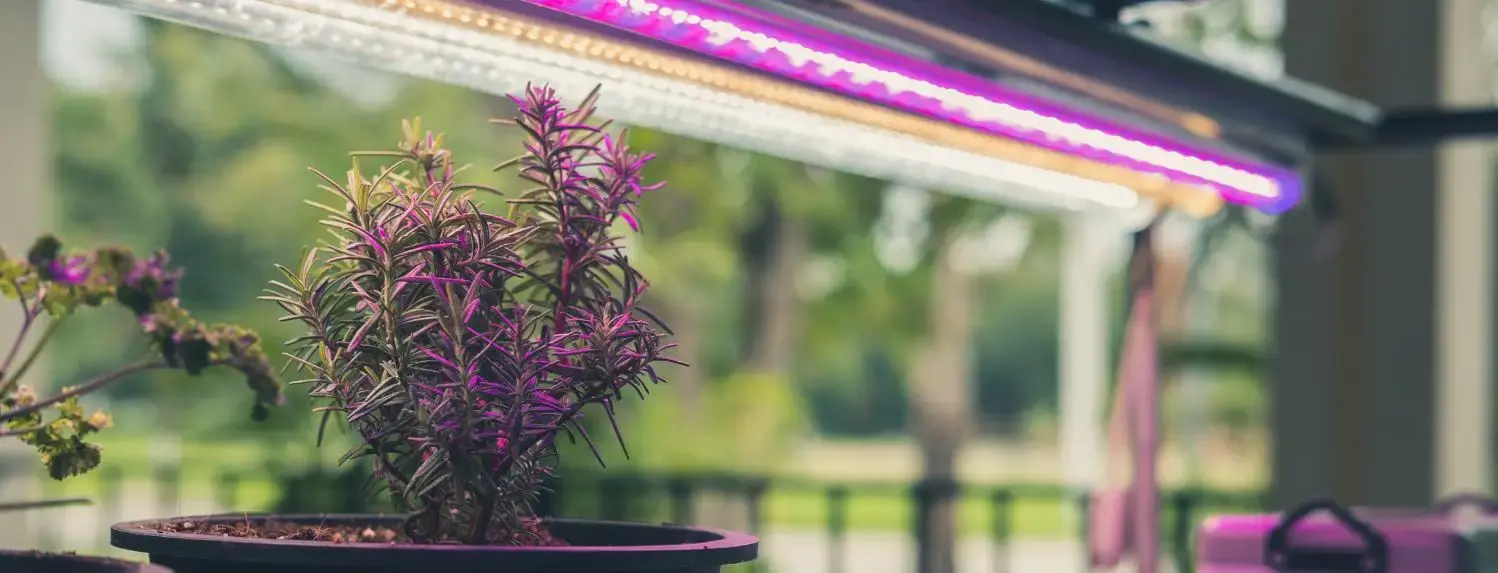


Moving indoor plants from soil to LECA (lightweight expanded clay aggregate, also called clay pebbles) lets you grow them hydroponically, with full control over water, nutrients and the root zone all year round. Plants like Monstera are popular candidates, and the switch is straightforward if you clean the roots well and set up the right environment.
This guide covers why growers switch to clay pebbles, the equipment you need, how to transfer a plant from soil to LECA step by step, the temperature and humidity to aim for and how to fix common transition problems.
Why move indoor plants from soil to LECA?
Clay pebbles are made by heating clay until it expands into round, porous balls. Their shape and open structure give roots a good balance of air and water, and they drain freely, so they rarely clog.
Growing in clay pebbles instead of soil gives you:
- Better root aeration and drainage
- A pH-neutral, almost nutrient-free medium, so you control exactly what your plant is fed
- No soil to break down, compact or harbour soil-borne pests
- A long-lasting medium that can be washed, sterilised and reused for years
The trade-off is that clay pebbles hold much less water than soil or coco and dry out quickly, so they work best as part of a hydroponic system that keeps the roots supplied with nutrient solution.
What you need
A hydroculture setup gives you control over light, temperature, humidity and feeding, so your plants grow steadily all year. Here's what goes into a typical setup:
- Growing Room (a grow tent or a converted room)
- Tailored Lighting System sized to your space
- Ventilation to exchange air and manage heat
- Hydroponic system to deliver nutrient solution to the roots
- Heating to hold temperatures when the lights are off
- Hydroponic nutrients (clay pebbles supply almost none)
- Temperature & Humidity control and a hygrometer to monitor them
- Clay pebbles for the growing medium
Once the hardware is in place, adding more plants to the setup is easy.
💡 A-Grade Tip: The A-Grade team run a Gro-Tank NFT system for indoor plants. It's easy to set up and clean weekly, and can largely be left to run for about a week between check-ins.
🌿 How to transfer a plant from soil to LECA, step by step
1. Rinse your clay pebbles
Rinse new clay pebbles in clean water to wash off any clay dust before use. New pebbles float until they're fully saturated, so soaking them first makes them easier to work with.
2. Sterilise the pebbles
Pre-soak the pebbles in Pure Guard at 2mL per litre of water. This is the label rate for sterilising a substrate before planting.
3. Remove the plant and clean the roots
Ease the plant out of its pot and gently rinse the soil from the roots under lukewarm water. Remove as much of the old soil, moss or coco as you can without tearing healthy roots.
4. Check and trim the roots
Healthy roots are firm and pale. Trim away any brown, black or mushy roots with clean scissors, because these are signs of root rot.
5. Pot up in clay pebbles
Add a layer of pebbles to the pot or net pot, set the plant in place and fill around the roots with more pebbles until it's stable. Settle the pebbles by gently tapping the pot rather than pressing down on the roots.
6. Connect to your hydroponic system
Place the plant in your hydroponic system and start feeding with a hydroponic nutrient solution. Because clay pebbles release almost no nutrients, your plant now relies entirely on what you feed it.
📏 Temperature and humidity for indoor plants in hydroculture
Keeping conditions stable when the lights switch off is just as important as during the day. These are the targets the A-Grade team use for tropical indoor plants like Monstera on a 16-hour lights-on schedule.
| Period | Temperature | Humidity | Notes |
|---|---|---|---|
| Lights on (16 hours) | 27–30°C | 65–70% | Warm, humid conditions for active growth |
| Lights off (8 hours) | 18–23°C | 60–65% | Use heating to stop temperatures dropping too far |
Monstera generally prefers temperatures of about 16–29°C and high humidity. Root zone temperature matters too: the optimum nutrient solution temperature for most hydroponic crops is about 16–24°C, and cooler solution slows growth.
⚠️ Common soil to LECA problems and fixes
| Problem | Likely cause | Status | Fix |
|---|---|---|---|
| Brown, mushy roots after transfer | Root rot from damaged roots or water-logging | Serious | Trim affected roots, rinse thoroughly and repot in clean pebbles |
| Wilting soon after transfer | Transplant stress or roots drying out | Common | Keep humidity up and make sure the roots receive nutrient solution |
| Pebbles floating or clogging drains | New pebbles not yet saturated | Common | Soak pebbles before use |
| Slow growth in winter | Cold root zone or night temperatures | Common | Add heating and keep the nutrient solution at 16–24°C |
| Algae on the pebble surface | Light reaching wet media | Common | Treat with Pure Guard at 2mL per litre and limit light on the media |
Summary
Moving an indoor plant from soil to LECA gives you control over its roots, feeding and environment all year round. Rinse and sterilise your clay pebbles, clean the old soil from the roots, pot up in pebbles and connect the plant to a hydroponic system with stable day and night conditions.
Browse A-Grade Hydroponics' hydroponic systems range to get set up, or get in touch with the team if you've got questions about your own setup.
References
- Oklahoma State University Extension, Soilless Growing Mediums (HLA-6728), 2021. https://extension.okstate.edu/fact-sheets/soilless-growing-mediums.html
- NC State Extension, Monstera deliciosa, North Carolina Extension Gardener Plant Toolbox. https://plants.ces.ncsu.edu/plants/all/monstera-deliciosa/
- UConn Home and Garden Education Center, Monstera deliciosa, 2020. https://homegarden.cahnr.uconn.edu/factsheets/monstera/
- John W. Bartok Jr., Maintaining hydroponic solution temperature, Greenhouse Management, 2018. https://greenhousemag.com/article/maintaining-hydroponic-solution-temperature